In a crisis, companies rarely lose ground because of the original incident. They lose it in the 72 hours that follow: a rushed statement, a leaked internal email, a forgotten reporting duty, or evidence deleted by an employee trying to hide a mistake. Legal and communications crisis management therefore needs a prepared playbook; it cannot wait until something happens.
This article sets out a 72-hour playbook that companies can adapt to their sector: who may activate it, who sits on the crisis team, what must be done at each time mark, and which records to keep to protect the company later.
Why legal and communications crisis management must work together
Communications wants to speak early to protect reputation. Legal wants caution to avoid admitting excessive liability. If they work separately, the company either stays silent too long and lets the public draw its own conclusions, or says things that later become adverse evidence in litigation or regulatory penalties.
The effective approach is a single crisis team that makes decisions, with legal approving every external message within a short window, usually no more than one to two hours. A legal entity’s reputation is protected by law in the same way as an individual’s (under Article 34 of the Civil Code No. 91/2015/QH13)[4], so the company may demand removal or correction of false information, but must also take care not to publish inaccurate information itself.
Preparation, the crisis team and scenario list
The crisis team should be established by decision of the General Director and include the head of the company, legal, communications, HR, the head of the affected area and an outside legal expert reachable immediately. The decision should state who may activate the playbook, who is the sole spokesperson and who deputises in their absence.
In parallel, the company prepares a list of scenarios relevant to its sector, each with the legal checks to make and a template initial statement.
| Crisis type | Legal checks to make immediately | Lead |
|---|---|---|
| Leak of customer or employee data | Notification duties under personal data protection law; contain systems; preserve access logs | CTO, legal |
| Defective product, suspected poisoning | Suspend sales, recall defective goods, report to the sector regulator | Production and quality director |
| Serious workplace accident | First aid, preserve the scene, report under the Law on Occupational Safety and Health | Plant director, HR |
| Unannounced inspection or search | Check the decision and scope; assign staff; record documents seized | Legal, legal representative |
| Dispute spreading on social media | Preserve evidence of posts; assess false information; avoid statements that inflame the dispute | Communications, legal |
The first 72 hours
The time marks below are a reference framework. For data incidents or product safety issues, some reporting duties under sector law have very short deadlines, so legal must pin down the exact deadlines at the initial assessment stage.
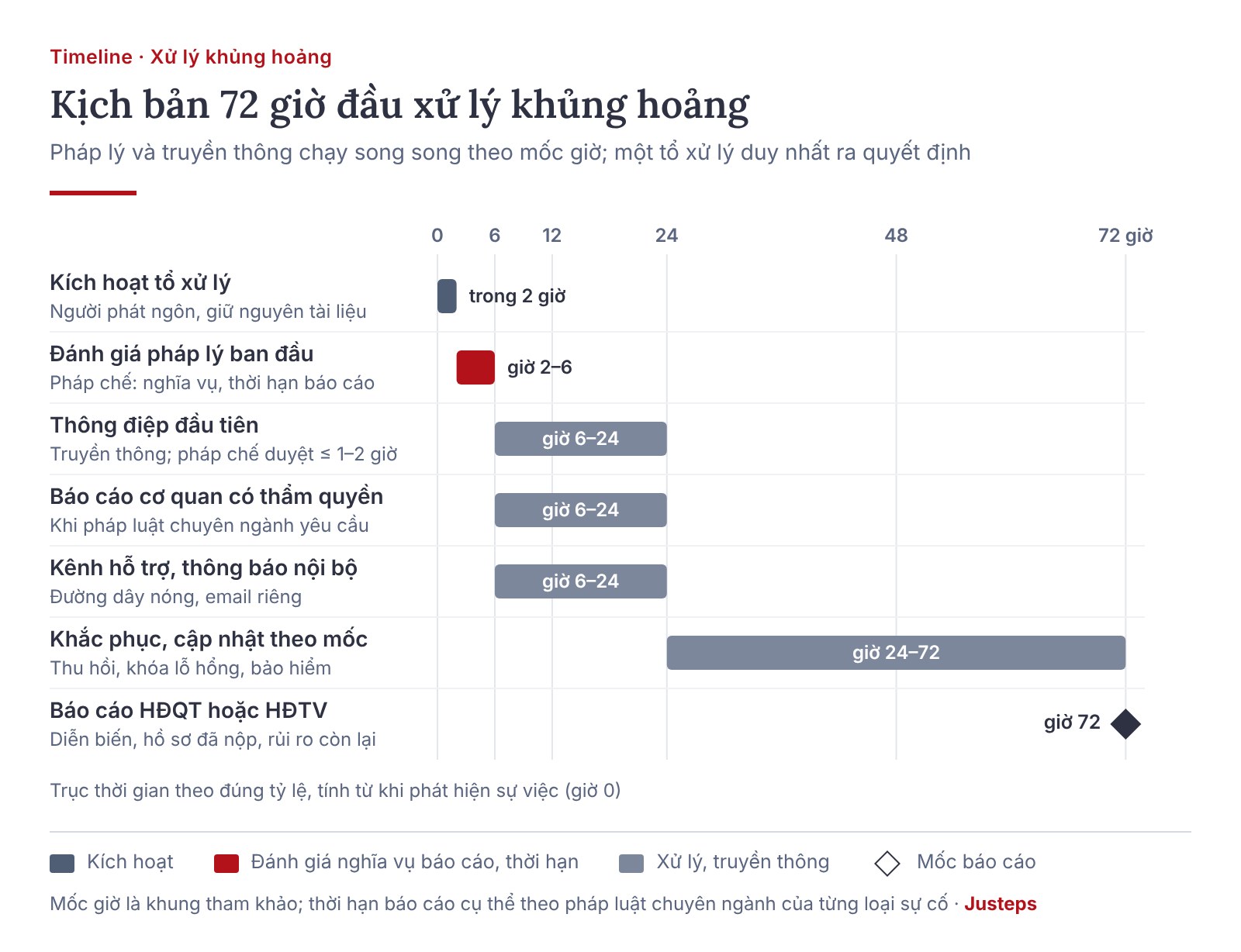
Figure 01. First 72 hours of a legal and communications crisis
Indicative timing; reporting deadlines follow sector rules
The time axis is to scale from hour 0; the red bar is the assessment of reporting duties and deadlines in hours 2–6, and hour 6–24 tasks run in parallel.
Hour 0 to hour 6
Whoever discovers the incident reports immediately to the designated contact point. The crisis team meets online within two hours, confirms the incident, its scope and appoints the spokesperson. Legal issues a document preservation notice: no deletion of related emails, messages, camera footage or system logs. Over the next four hours, legal assesses reporting duties, exposure to penalties and claims, and decides whether to bring in outside counsel.
Hour 6 to hour 24
The first message should be short: confirm the company is aware of the incident, describe what it is doing to protect those affected and when it will update next. Do not speculate on causes or blame employees or partners before conclusions are reached. In the same window, the company reports to competent authorities where the law requires, opens a hotline or dedicated email for affected customers and employees, and notifies staff internally so they do not speak on social media on their own.
Hour 24 to hour 72
The company implements remedial measures: recalling products, closing vulnerabilities, resetting passwords, supporting injured people, working with insurers. Updates are released at the promised times. By hour 72, the crisis team reports to the Board or Members’ Council on what happened, decisions taken, filings made with authorities, remaining risks and the next-phase plan, including review of individual responsibility under internal rules.
Data incidents, penalty exposure to assess at once
Data incidents are an increasingly common type of crisis. Besides duties under the Law on Personal Data Protection No. 91/2025/QH15, companies must consider Decree No. 363/2026/ND-CP on administrative sanctions in the data sector, effective from 11 November 2026. Failing to issue a data collection procedure or to apply data protection measures carries a fine of VND 20–40 million (under point b, clause 1, Article 8 of Decree No. 363/2026/ND-CP)[1]. If the violation exposes sensitive information or concerns core or important data, the fine is VND 40–60 million (under clause 2, Article 8). These are the fines for individuals; organisations are fined double.
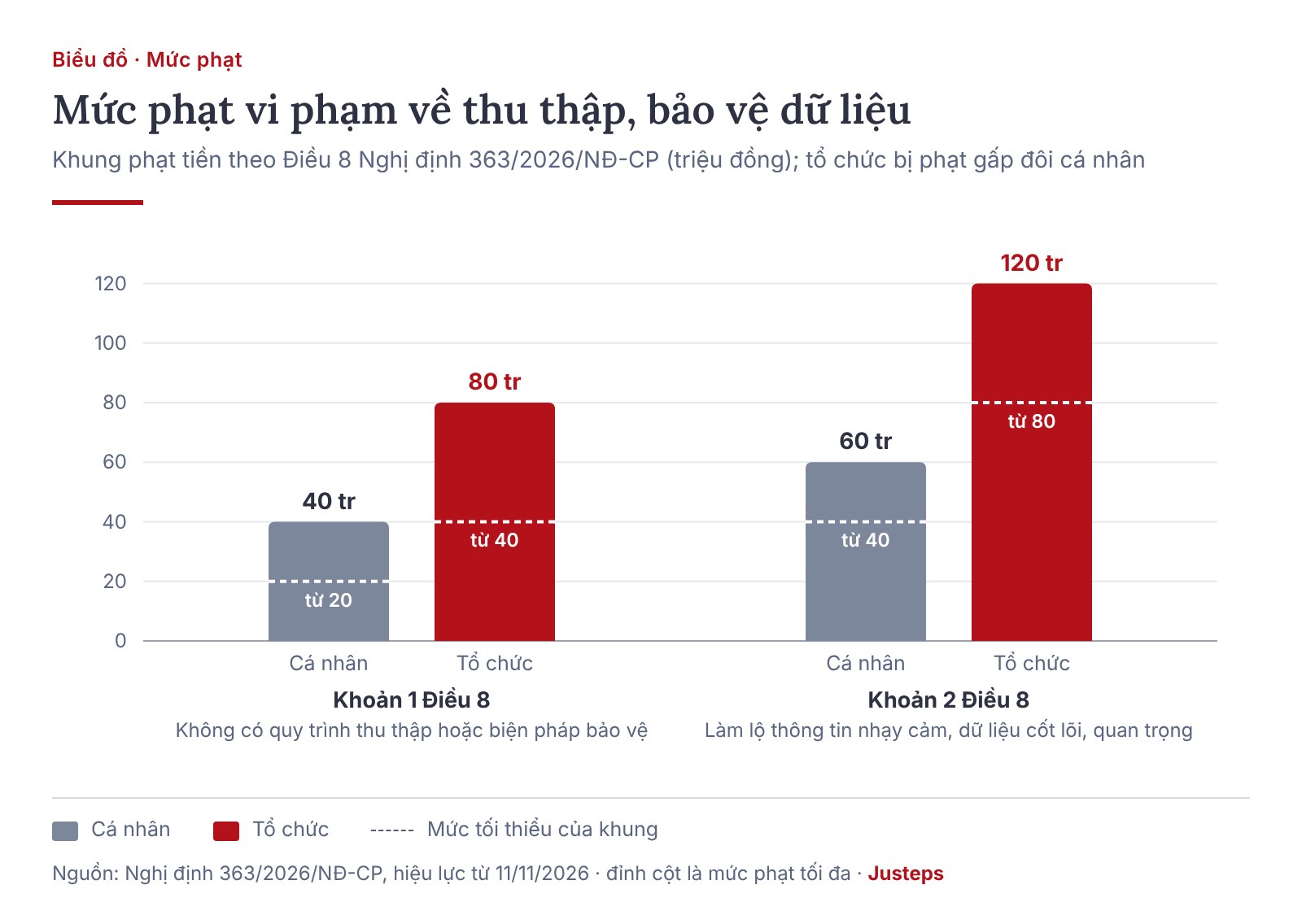
Figure 02. Fines for data collection and protection violations
Source: Article 8, Decree 363/2026/ND-CP
Column tops are maximum fines and white dashed marks the minimum; red columns apply to organisations, double the individual rate.
Beyond fines, the company may be required to delete or destroy data and surrender illegal gains, and in some cases have the management and operation of its database suspended for 6 to 9 months. Records proving that the company had procedures, applied protective measures and responded promptly are therefore the most important documents to keep during the first 72 hours.
After 72 hours, review and drills
Once the situation is stable, the company should hold a lessons-learned session within two weeks and update its scenario list and statement templates. The playbook should be rehearsed at least once a year using a simulated scenario. Companies that need to build risk management regulations and crisis playbooks can refer to Justeps’ regulatory advice and compliance and corporate governance services.
Legal basis and sources
- Decree No. 363/2026/ND-CP on administrative sanctions in the data sector, issued on 19 September 2026, effective from 11 November 2026 (clauses 1 and 2, Article 8).
- Law on Data No. 60/2024/QH15.
- Law on Personal Data Protection No. 91/2025/QH15, effective from 1 January 2026.
- Civil Code No. 91/2015/QH13 (Article 34 on protection of honour, dignity and reputation).
- Law on Protection of Consumers’ Rights No. 19/2023/QH15.
- Law on Occupational Safety and Health No. 84/2015/QH13.
How Justeps supports businesses
- Building crisis management regulations, the crisis team decision and sector scenario lists through regulatory advice and compliance.
- Drafting template statements, internal notices, document preservation notices and Board reports.
- Direct legal support in the first 72 hours: assessing reporting duties and dealing with authorities.
- Reviewing data protection procedures to reduce penalty risk under Decree No. 363/2026/ND-CP through corporate governance.
- Running drills and in-house training for executives. Learn more at Justeps.
Frequently asked questions
Should the company stay silent until there is an official conclusion?
Usually not. Long silence lets inaccurate information spread. The company should issue a short message stating only what is confirmed and what is being done, without admitting fault before conclusions are reached.
Who should be the spokesperson in a crisis?
A single person designated in advance in the crisis team decision, usually the General Director or communications director. Other employees do not speak on behalf of the company.
Can the company delete posts or data related to the incident to limit damage?
It should not delete internal documents or data related to the incident, as they are evidence. For false content online, preserve evidence first, then request removal through the proper procedure.
How much is the fine for leaking customer data?
Under Article 8 of Decree No. 363/2026/ND-CP, fines for individuals range from VND 20 to 60 million depending on the violation; organisations are fined double, up to VND 120 million, in addition to remedial measures and additional sanctions.
How often should the crisis playbook be rehearsed?
At least once a year, and after any major change in key personnel, IT systems or lines of business.
Related articles
- Liability of company managers: Directors, Board members and chief accountants
- General Director authority: delegation and limits in the charter and internal regulations
- Handling breach of contract: notice, negotiation, mediation and dispute resolution
This article is for reference and reflects the regulations in force at the time of publication. Please consult Justeps for advice tailored to your company’s records and situation.
For further information, please contact:
📩 Email: info@justeps.vn
🌐 Website: https://justepslegal.com · https://justeps.vn
🌐 Page: Justeps
☎️ Hotline (Zalo): 096 172 2607
📍 Thanh Xuan Office: 12th Floor, Licogi 13 Tower, 164 Khuat Duy Tien Street, Thanh Xuan Ward, Hanoi, Vietnam
📍 Ha Dong Office: LK06B, No.10, Dong Dua Area, Ha Dong Ward, Hanoi, Vietnam
📍 Ho Chi Minh City Branch: 528 Le Van Sy, Ho Chi Minh City, Vietnam
📍 Hai Phong Office: Truong Thinh Village, Ha Dong Commune, Hai Phong, Vietnam
📍 Quang Ninh Office: Van Don Special Zone, Quang Ninh Province, Vietnam