
Self-generation, self-consumption rooftop solar has become a popular choice for factories that want to cut electricity costs and meet export customers' emission-reduction requirements. From 26 June 2026, Decree No. 243/2026/ND-CP amending Decree No. 58/2025/ND-CP raised the cap on surplus power sales to 50% of output, making the investment case more attractive.
For a factory, however, the risk lies not in the panels but in the procedures and operations: choosing the wrong connection option, forgetting to notify before installation, lacking fire safety documents for the workshop roof, or letting the system export to the grid without registration. This article walks through what the business must do, in order, and who in the factory is responsible.
Identify the applicable case before signing with a contractor
The procedure for self-consumption rooftop solar depends on two questions: is the system connected to the national power system and at what voltage level; and will the factory sell surplus power. Most factories have their own substation and therefore connect at medium voltage.
| Case | Main procedure | Submitted to | Mandatory equipment |
|---|---|---|---|
| Not grid-connected, capacity of 100 kW or more | Send a notification | Commune-level People's Committee where installed | As designed, ensuring electrical safety |
| Connected at low voltage | Send notification Form No. 01 (under 1 kW exempt) | Commune-level People's Committee | Two-way meter if selling surplus |
| Connected at medium voltage or above, no surplus sale | Send notification Form No. 02 | Provincial People's Committee | Zero-export device |
| Connected at medium voltage or above, selling surplus | Development registration certificate; electricity operation licence unless exempt | Provincial People's Committee | Dispatch connection equipment, two-way meter |
These cases are set out in Articles 15 and 16, and the equipment requirements in Article 10.7, of Decree No. 58/2025/ND-CP (as amended). The factory should confirm its option in an internal document before signing the EPC contract, because the option determines the inverter configuration, metering and even the waiting time for procedures.
Selling surplus power, the 50% cap and its operational consequences
Surplus power sold by agreement may not exceed 50% of the output measured at the rooftop solar system's output; until 31 December 2030, the parties may agree on a higher share if the local grid can absorb it safely (Article 14.2 of Decree No. 58/2025/ND-CP, as amended by Decree No. 243/2026/ND-CP)[2,3]. A seller of surplus power must hold an electricity operation licence unless exempt.
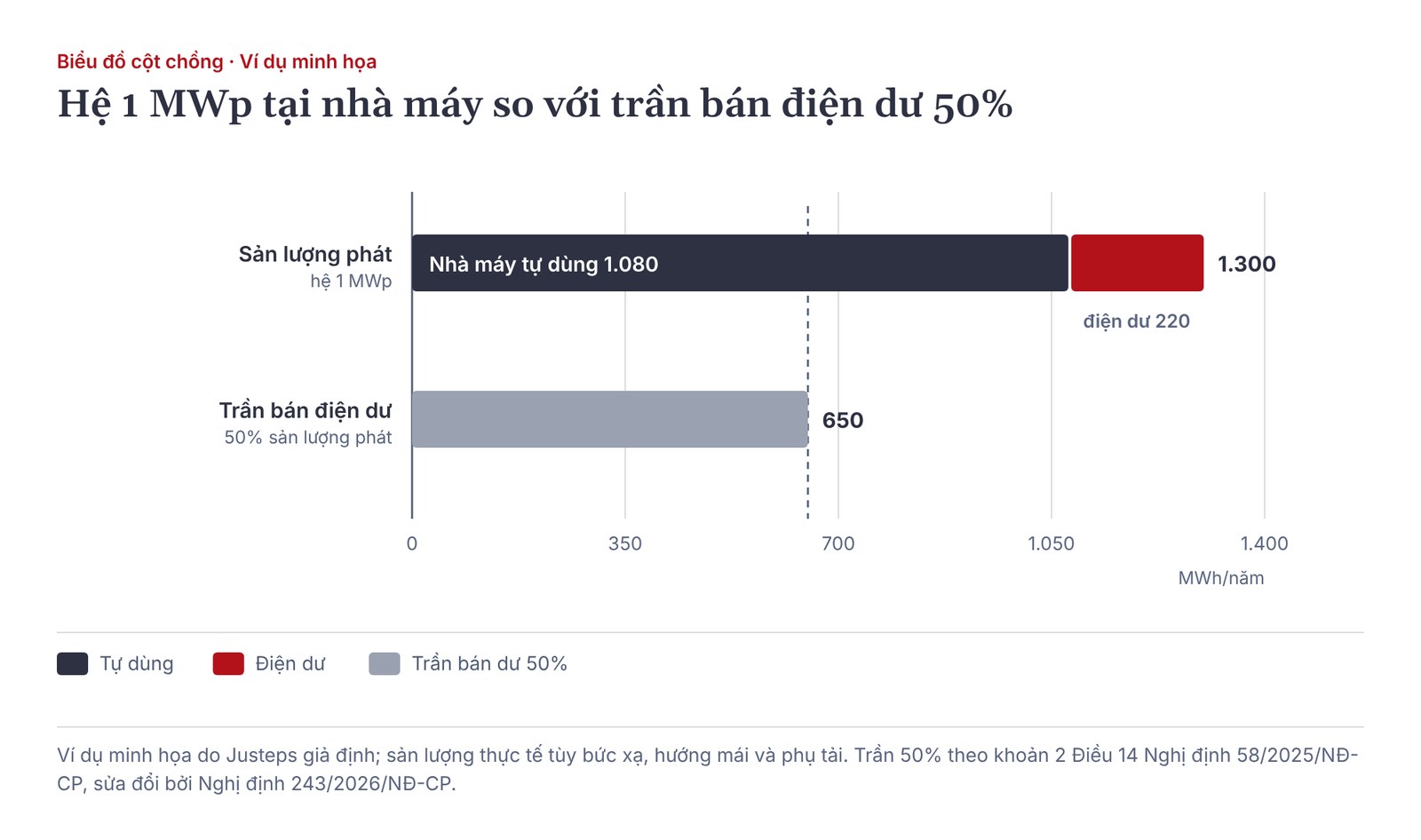
Figure 01. A 1 MWp rooftop system versus the 50% surplus sale cap
Illustrative example, assumed data | 50% cap under Article 14.2, Decree 58/2025/ND-CP (amended by Decree 243/2026/ND-CP)
The top bar splits annual output into self-consumption and surplus (red); the bottom bar is the sale cap at 50% of output. The 220 MWh surplus is well below the cap, so the factory may consider not selling surplus power.
For a factory running six days a week, surplus usually only arises on Sundays, public holidays and line maintenance periods. If the surplus is small, not selling it and installing a zero-export device is often far simpler in terms of paperwork. Note that from 2027 the number of public holidays rises to 13 under the newly passed law amending the Labor Code, so the engineering team should update its surplus forecast.
Fire safety and structural documents
The installation must comply with electrical safety and fire prevention and fighting regulations (Article 13.1 of Decree No. 58/2025/ND-CP)[2,3]. For workshop roofs this is the most common sticking point: roof load, roofing materials, access for firefighters, DC-side emergency shutdown devices and spacing between panel rows. A workshop that already has fire safety design approval and acceptance should assess whether the installation changes the safety conditions that were accepted.
If the workshop is leased, the factory needs the building owner's written consent and a clear agreement on liability if the system causes leaks or roof damage, or if the lease ends early.
Notification and installation, deadlines to remember
The online notification must be sent at least 10 working days before installation; if no response is received within 10 working days, installation may proceed (Article 15.4 and 15.6 of Decree No. 58/2025/ND-CP)[2,3]. Procurement should not let the contractor start work before this point, not even on the mounting structure.
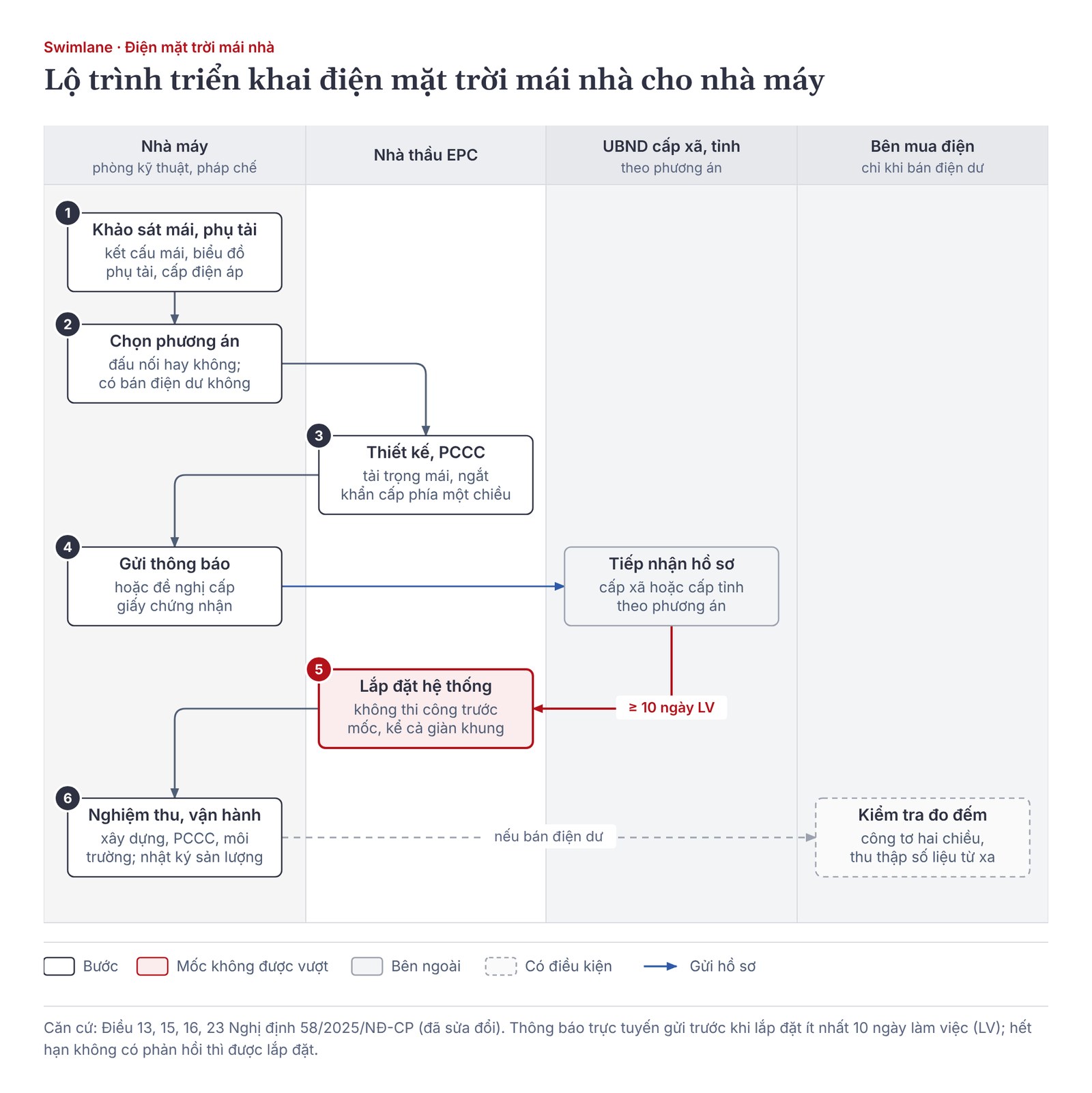
Figure 02. Rooftop solar roll-out roadmap for a factory
Basis: Articles 13, 15, 16, 23, Decree 58/2025/ND-CP (as amended)
Each column is a party; the filing goes from the factory to the People's Committee along the blue arrow. The red box is installation, which may start only at least 10 working days after notification; the power buyer is involved only if surplus is sold.
Before commissioning, organisations other than households must complete construction acceptance under construction law and fire safety and environmental checks as required (Article 23 of Decree No. 58/2025/ND-CP)[2,3]. Where surplus is sold, the power buyer checks the metering system and connects it to remote data collection.
Assigning operational roles in the factory
- Engineering or M&E is responsible for operation, the output log, panel cleaning and periodic checks of switchboards, inverters and the zero-export device.
- The OSH team adds the system to the risk register, trains operators in electrical safety and work at height, and updates the firefighting plan.
- Accounting records the fixed asset and depreciation and tracks electricity savings and any surplus sale revenue.
- Legal or administration keeps the notification, certificates, acceptance records, EPC contract and panel and inverter warranties, and monitors policy changes.
When increasing capacity, replacing inverters or switching from no sale to surplus sale, the factory must review the corresponding procedure rather than treating it as routine maintenance.
EPC contract, clauses not to skip
The contract should require the contractor to prepare the notification, fire safety and acceptance documents; guarantee minimum first-year output or performance; warrant the mounting structure and roof waterproofing; and bear liability for unauthorised export caused by misconfiguration. The final payment should be tied to complete acceptance records and the as-built document set.
Legal basis and sources
- Law on Electricity No. 61/2024/QH15, effective from 1 February 2025.
- Decree No. 58/2025/ND-CP detailing certain articles of the Law on Electricity on the development of renewable and new energy power.
- Decree No. 243/2026/ND-CP amending Decree No. 57/2025/ND-CP and Decree No. 58/2025/ND-CP, effective from 26 June 2026.
- Law on Fire Prevention, Firefighting and Rescue No. 55/2024/QH15, effective from 1 July 2025.
How Justeps supports businesses
- Advising on the connection option and whether to sell surplus, and preparing notification and registration files under our Advisory and regulatory compliance services.
- Reviewing EPC contracts, roof lease contracts or annexes with the workshop owner, and surplus power purchase agreements.
- Setting up operating procedures, role assignments and record-keeping for energy systems in our Operations setup package.
- Advising on tax and accounting treatment of the asset and surplus sale revenue with our Tax, Customs & International Trade team.
Contact Justeps for advice on your factory.
Frequently asked questions
If the factory does not sell surplus power, is any procedure needed?
Yes. If connected at medium voltage or above without selling surplus, the factory must still notify the provincial People's Committee and install a zero-export device.
What is the maximum share of surplus power that can be sold?
No more than 50% of the output measured at the system's output; until the end of 2030, a higher share may be agreed if the local grid can absorb it.
Can installation start right after the notification is sent?
No. The notification must be sent at least 10 working days before installation; if there is no response by then, installation may proceed.
Can a leased workshop install rooftop solar?
Yes, with the owner's written consent and a clear agreement on roof structure, waterproofing, fire safety and handling of the system when the lease ends.
Does replacing an inverter with a larger one require a new notification?
Changes in capacity or connection configuration should be reviewed against Decree No. 58/2025/ND-CP beforehand, as they may change the applicable case and procedure.
Related articles
- Managing a pharmacy chain: pharmacy staff, GPP and inventory control
- Real estate brokerage services in Vietnam: conditions, brokerage contracts and broker control
- Occupational safety and health system for factories: organisation, training and monitoring
This article is for reference and reflects the regulations in force at the time of publication. Please consult Justeps for advice tailored to your company’s records and situation.
For further information, please contact:
📩 Email: info@justeps.vn
🌐 Website: https://justepslegal.com · https://justeps.vn
🌐 Page: Justeps
☎️ Hotline (Zalo): 096 172 2607
📍 Thanh Xuan Office: 12th Floor, Licogi 13 Tower, 164 Khuat Duy Tien Street, Thanh Xuan Ward, Hanoi, Vietnam
📍 Ha Dong Office: LK06B, No.10, Dong Dua Area, Ha Dong Ward, Hanoi, Vietnam
📍 Ho Chi Minh City Branch: 528 Le Van Sy, Ho Chi Minh City, Vietnam
📍 Hai Phong Office: Truong Thinh Village, Ha Dong Commune, Hai Phong, Vietnam
📍 Quang Ninh Office: Van Don Special Zone, Quang Ninh Province, Vietnam





