
Since 01/01/2025, individuals may no longer practise real estate brokerage independently. Every broker must hold a practising certificate and work within a real estate brokerage business or trading floor. This change shifts most of the control burden to businesses: what a trading floor's team says, posts and how it collects money are all tied to the business's legal standing.
For trading floors with dozens to hundreds of staff and collaborators, the conditions for real estate brokerage services are only the starting point. The harder part is maintaining them every day: tight brokerage contracts, truthful product information and a broker control mechanism that actually works.
Conditions for real estate brokerage services
Under Article 61 of the Law on Real Estate Business No. 29/2023/QH15, organisations and individuals providing real estate brokerage services must establish an enterprise, have brokerage operating regulations, have suitable facilities and equipment, and have at least 01 individual holding a real estate brokerage certificate. Before operating, the enterprise sends its information to the provincial real estate authority where it is established so that it is published on the housing and real estate market information system. Decree No. 96/2024/ND-CP provides further guidance on facilities, including a stable transaction address.
Individual brokers must hold a practising certificate and practise within a trading floor enterprise or brokerage enterprise (Article 61 of the Law on Real Estate Business No. 29/2023/QH15)[1]. A real estate trading floor is a model with higher requirements: in addition to enterprise conditions, it needs trading floor operating regulations and a floor manager meeting the certificate requirements as prescribed.
| Subject | Main conditions | Records to keep ready for inspection |
|---|---|---|
| Brokerage enterprise | Established enterprise; brokerage regulations; facilities; at least 01 certified individual | Enterprise registration certificate, regulations, premises lease, certificate copies, notice sent to the provincial authority |
| Real estate trading floor | Enterprise conditions and floor regulations; floor manager meets requirements | Floor regulations, manager appointment decision, list of brokers |
| Individual broker | Holds a certificate; practises within a brokerage enterprise or trading floor | Valid certificate, contract with the enterprise, annual training certificate |
Scope of services and brokerage remuneration
Article 62 of the Law on Real Estate Business No. 29/2023/QH15 defines brokerage as finding counterparties that meet the client's requirements to negotiate and sign contracts; acting as an authorised representative for procedures relating to sale, transfer, lease, sub-lease and lease-purchase; and providing information and support to the parties during negotiation and signing. Any activity beyond this scope, such as directly collecting purchase money on behalf of the developer, should be prohibited or tightly controlled by internal rules.
As to remuneration, individual brokers are paid by the enterprise they practise with, at a level agreed between them (Article 63 of the Law on Real Estate Business No. 29/2023/QH15)[1]. Brokerage service fees between the enterprise and clients are set by contract. Commission policy design is an important control tool: pay only when the file is complete, the transaction follows procedure and the customer has not complained within a set period.
Brokerage contracts, terms businesses should standardise
Real estate brokerage contracts should be made in writing using the business's standard template. Beyond party and property details, the following terms often cause disputes if drafted loosely:
- The specific scope of work, including whether it covers acting as representative for procedures.
- When the brokerage fee becomes payable: on signing the deposit agreement, the sale contract or on full payment.
- Exclusive or non-exclusive, the term and what happens if the owner sells directly or through another party.
- Responsibility for the truthfulness of information and legal documents provided by the client.
- Confidentiality and protection of customers' personal data under the Law on Personal Data Protection No. 91/2025/QH15.
- Termination, fee refunds and dispute resolution.
For projects where the developer entrusts distribution, the contract between the trading floor and the developer should state which products are eligible for sale, who is responsible for sales materials and into which account customer payments go.
Controlling brokers
Brokerage enterprises must provide complete and truthful property information and take responsibility for it, organise annual training for brokers, report as required and submit to inspection; individual brokers must comply with the enterprise's regulations and attend annual training (Article 65 of the Law on Real Estate Business No. 29/2023/QH15)[1]. From these duties, the control procedure should follow a broker's life cycle.
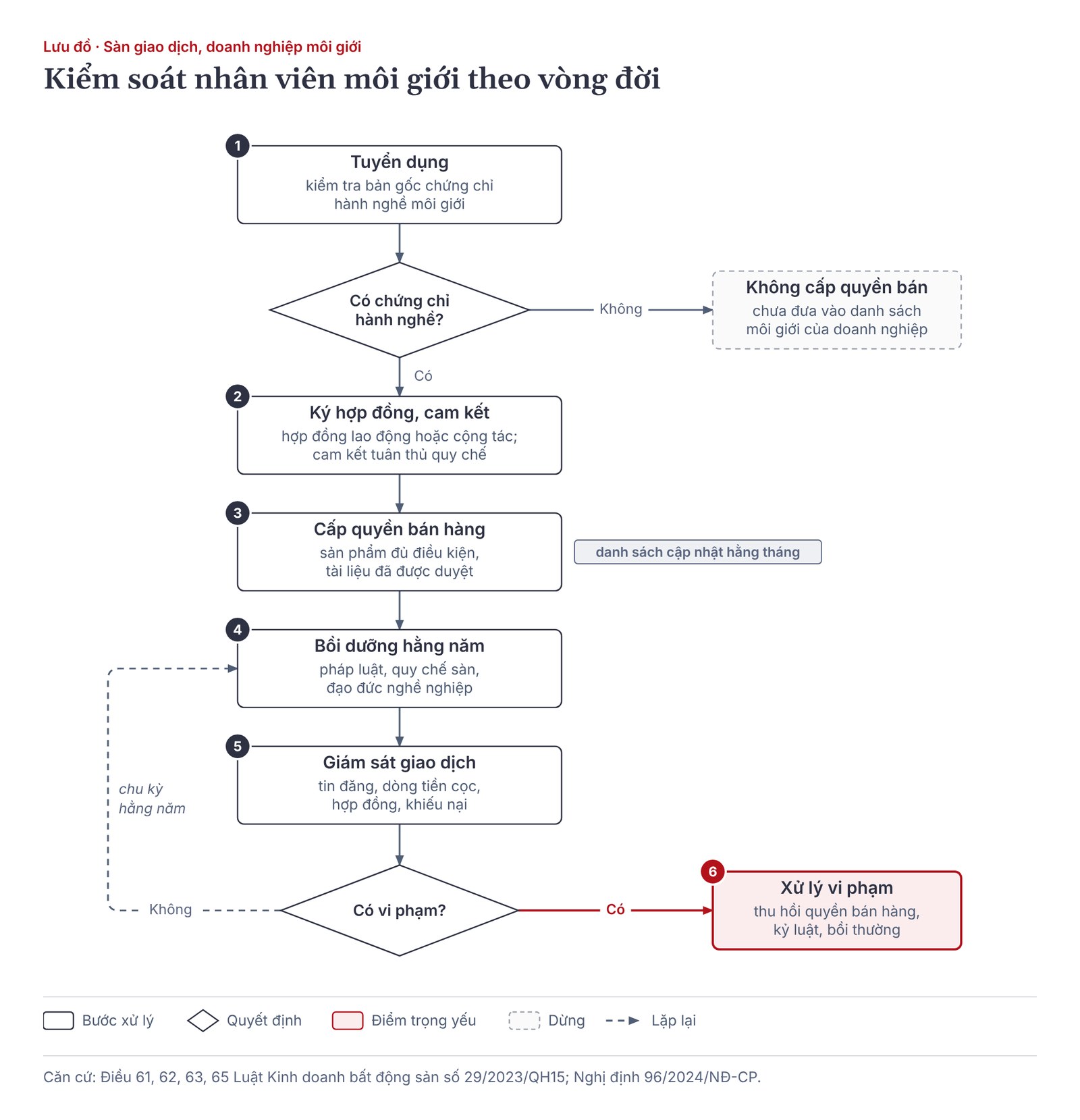
Figure 01. Lifecycle control of real estate brokers
Basis: Articles 61, 62, 63, 65, Real Estate Business Law No. 29/2023/QH15
Only certified brokers are contracted and granted selling rights. Training and monitoring repeat annually (dashed loop); when a breach is found, the red box is revoking selling rights and taking action.
Two points often overlooked are collaborators and online channels. Collaborators are often recruited quickly during launches, lack certificates, sign thin contracts and post on social media themselves. Businesses should keep a list of certified brokers, update it monthly and only release materials and unit codes to people on the list. Product content posted online must use approved materials.
Periodic reviews by sales team help detect gaps early. The example below shows that collaborator teams usually have the lowest certification rate.
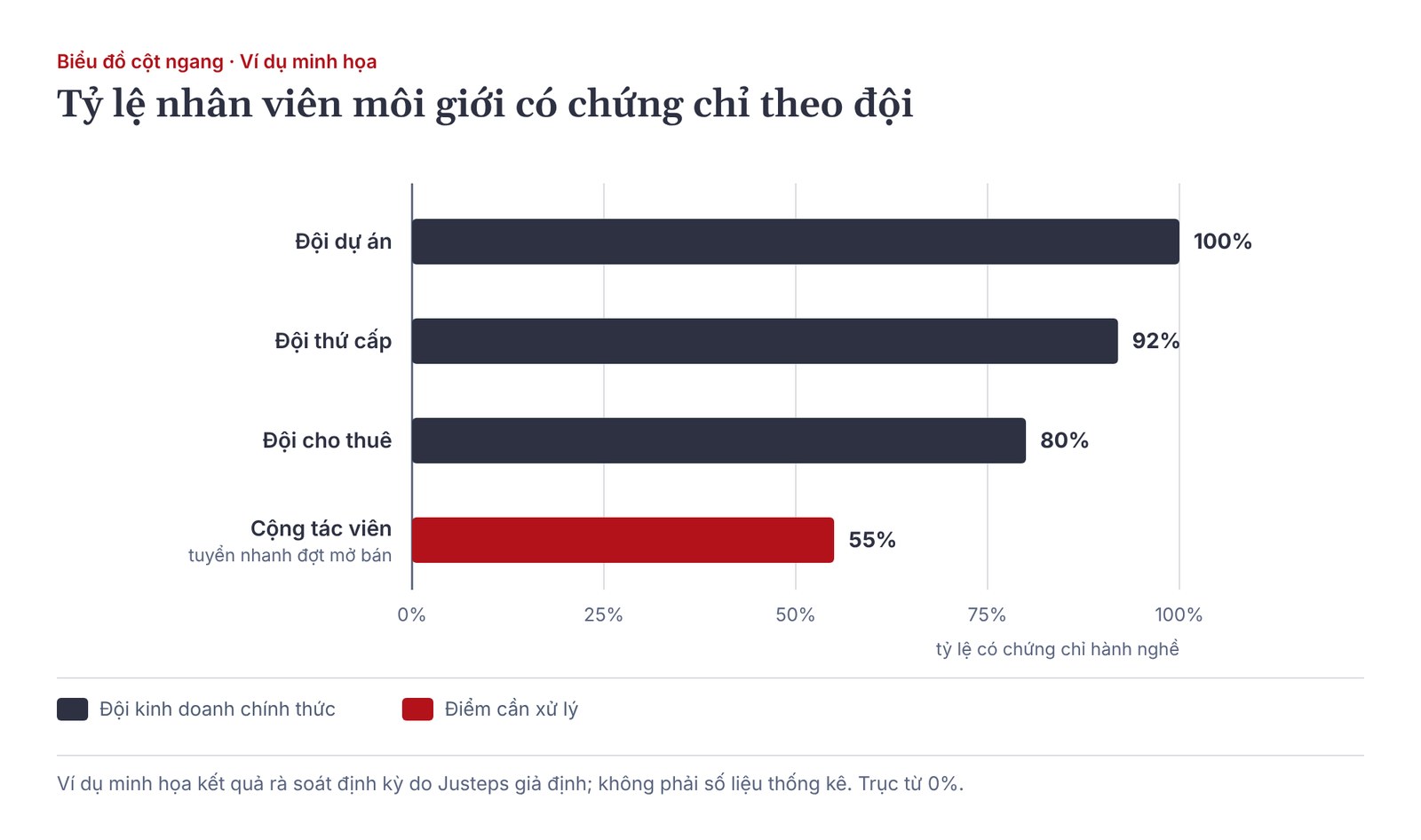
Figure 02. Share of certified brokers by team
Illustrative example, assumed data
Each bar is the share of certified brokers in a team, with the axis starting at 0%. The red bar is the freelance team, the lowest share and the priority for review.
Common operational risks
The biggest risk for a trading floor is selling products not yet eligible for sale, or staff making promises on progress, legal status or guaranteed returns outside official materials. The second is staff collecting deposits into personal accounts. The third is customer data leaving with staff who resign. Each risk needs a specific control: a list of saleable products confirmed by legal, a ban on payments into personal accounts and access control on the customer management system.
Trading floors and brokerage businesses are also subject to anti-money laundering measures when involved in sale transactions. Customer identification should be built into the brokerage file from the start.
Legal basis and sources
- Law on Real Estate Business No. 29/2023/QH15, effective from 01/8/2024; the rule that individual brokers practise within an enterprise applies from 01/01/2025. Articles 61, 62, 63 and 65.
- Decree No. 96/2024/ND-CP detailing a number of articles of the Law on Real Estate Business.
- Law on Personal Data Protection No. 91/2025/QH15, effective from 01/01/2026.
- Law on Anti-Money Laundering No. 14/2022/QH15 (as amended and supplemented).
How Justeps supports businesses
- Legal advice on real estate transactions, reviewing product eligibility before launch.
- Establishing brokerage businesses and trading floors and completing business condition files.
- Drafting trading floor and brokerage regulations, brokerage contract templates and commission policies.
- In-house training providing annual legal refreshers for brokerage teams.
- Ongoing legal advice for trading floors and brokerage businesses.
Contact Justeps for advice on your specific situation.
Frequently asked questions
May uncertified collaborators advise or take customers to view properties?
Individual brokers must hold a certificate and practise within an enterprise. Businesses should not assign brokerage work to uncertified people, even as collaborators.
How many certified people does a brokerage business need?
At least 01 certified individual under Article 61 of the Law on Real Estate Business. However, every individual directly practising brokerage must hold a certificate.
What must a brokerage business do before operating?
Send its information to the provincial real estate authority where it is established for publication on the housing and real estate market information system.
May brokers accept customer deposits?
Businesses should prohibit staff from receiving money into personal accounts. Payments should go straight to the developer's or seller's account under the contract.
How often must brokers be retrained?
The enterprise organises and brokers attend annual training under Article 65 of the Law on Real Estate Business.
Related articles
- Sales promotion procedures in Vietnam in 2026: notification, registration and results reporting
- Self-consumption rooftop solar for factories: documents, notification and operation
- Labor dispute mediation in the workplace: the internal procedure before going to a labor mediator
This article is for reference and reflects the regulations in force at the time of publication. Please consult Justeps for advice tailored to your company’s records and situation.
For further information, please contact:
📩 Email: info@justeps.vn
🌐 Website: https://justepslegal.com · https://justeps.vn
🌐 Page: Justeps
☎️ Hotline (Zalo): 096 172 2607
📍 Thanh Xuan Office: 12th Floor, Licogi 13 Tower, 164 Khuat Duy Tien Street, Thanh Xuan Ward, Hanoi, Vietnam
📍 Ha Dong Office: LK06B, No.10, Dong Dua Area, Ha Dong Ward, Hanoi, Vietnam
📍 Ho Chi Minh City Branch: 528 Le Van Sy, Ho Chi Minh City, Vietnam
📍 Hai Phong Office: Truong Thinh Village, Ha Dong Commune, Hai Phong, Vietnam
📍 Quang Ninh Office: Van Don Special Zone, Quang Ninh Province, Vietnam





