
Most labor disputes start with something small: an allowance that was cut, a day of work not recorded, a transfer decision that was never explained. If the business has an internal procedure for labor dispute mediation, these issues are usually resolved within a few days. If not, the employee files a request with a labor mediator, and the business enters the procedure with an incomplete file.
This article does not replace the statutory procedure; it describes what the business should do beforehand: receiving, classifying, holding dialogue, closing the outcome and preparing for cases that must go to the competent authority.
Labor dispute mediation under the law and the business's part
Under the Labor Code No. 45/2019/QH14, individual labor disputes are resolved by labor mediators, labor arbitration councils or courts. Most individual disputes must go through a labor mediator before arbitration or litigation; the mediator must complete mediation within 05 working days from receiving the request (Clause 2, Article 188 of the Labor Code). Some disputes do not require mediation, such as disputes over dismissal as a disciplinary measure, unilateral termination of employment contracts, compensation and allowances upon termination, or social, health and unemployment insurance (Clause 1, Article 188 of the Labor Code).
Five working days is a very short time for a business to locate the contract, payroll and meeting minutes and to appoint a representative with authority to settle. The internal stage therefore serves not only to resolve matters early but also to keep the file ready when needed.
The Law amending and supplementing a number of articles of the Labor Code and related laws, passed by the National Assembly on 21/11/2026 and effective from 01/3/2027, adjusts the rules on collective bargaining and strikes (see official information). Businesses should review their dialogue regulations and collective dispute procedures once guiding documents are issued.
Limitation periods, why matters should not drag on
The limitation period for requesting a labor mediator to resolve an individual dispute is 06 months, for a labor arbitration council 09 months and for a court 01 year, all counted from the date the party discovers the act it believes violated its lawful rights and interests (Article 190 of the Labor Code). A complaint left pending for months with a line manager can still become a valid dispute, while the business's evidence has gone missing.
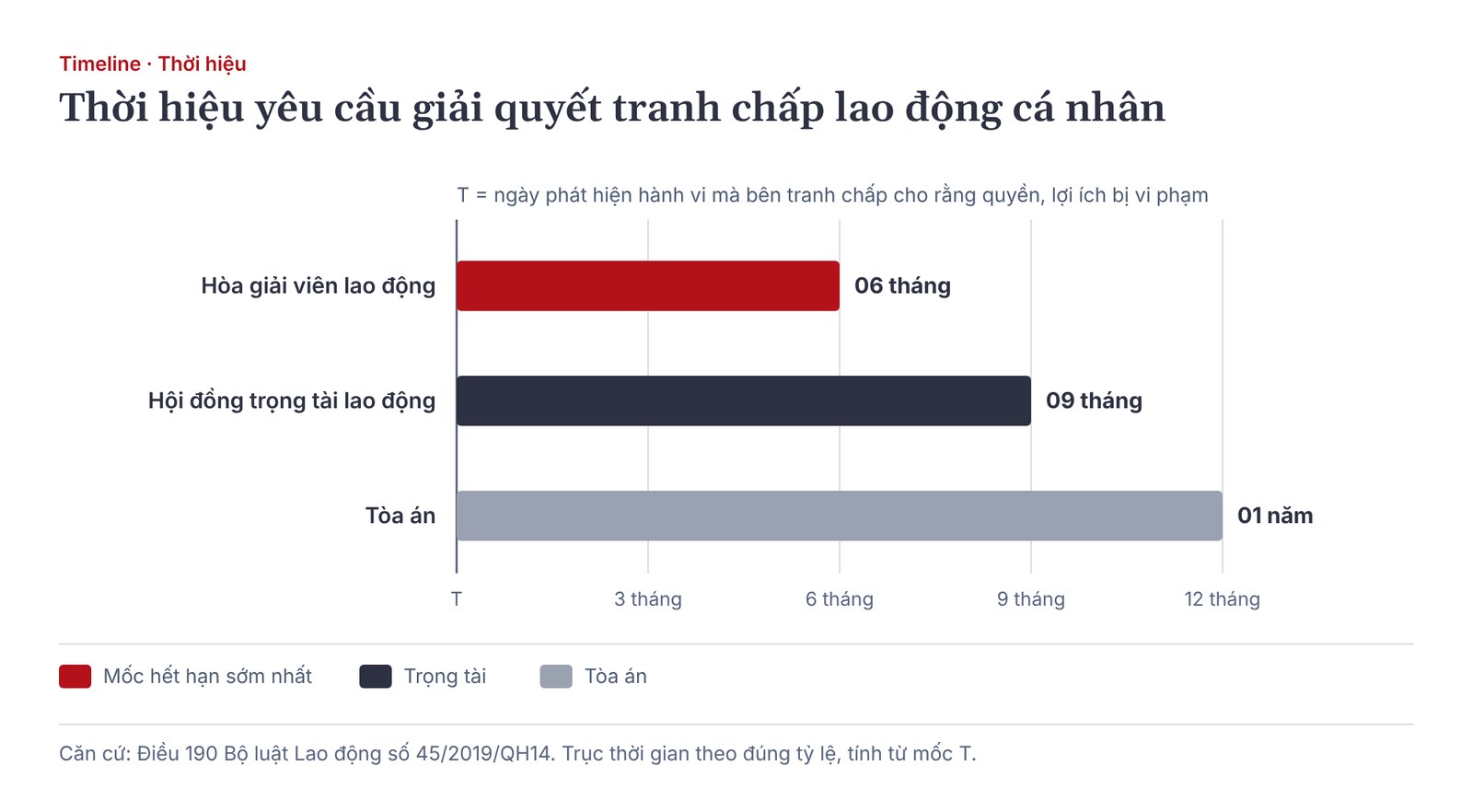
Figure 01. Limitation periods for individual labour disputes
Basis: Article 190, Labour Code No. 45/2019/QH14
Bars run from point T, the date the violation is discovered, drawn to scale. The red bar is the earliest deadline: 6 months to request a labour mediator.
Internal procedure before going to a labor mediator
The procedure should be issued in writing, linked to the workplace dialogue regulation and internal labor rules, and consist of six steps.
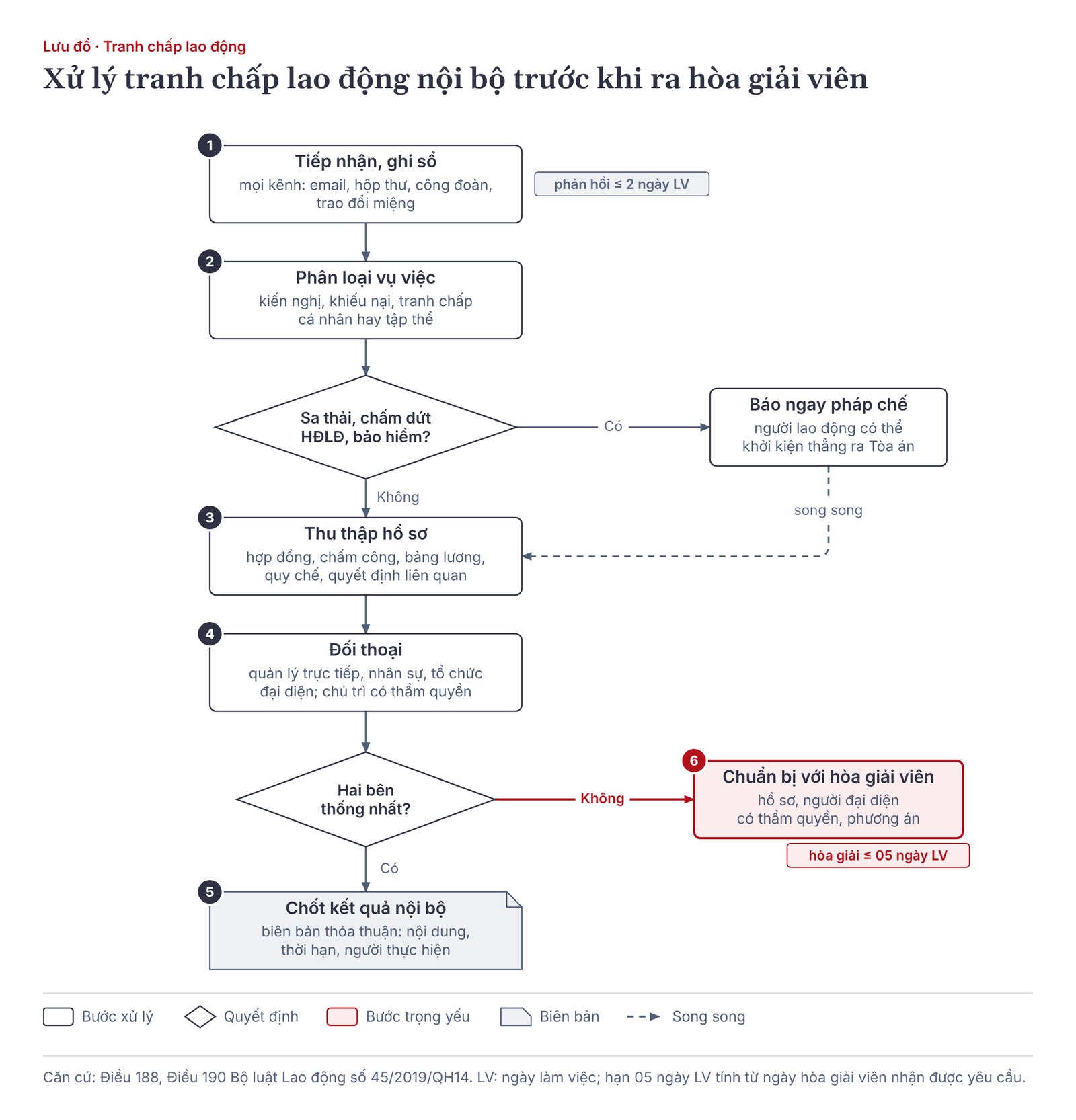
Figure 02. Internal handling of labour disputes before mediation
Basis: Articles 188 and 190, Labour Code No. 45/2019/QH14
Read top to bottom: dismissal, termination or insurance cases go to legal immediately, in parallel with collecting records. If dialogue fails, the red box is preparing for mediation, which must conclude within 5 working days.
Receiving and classifying
Every opinion or complaint from employees, whether by email, suggestion box, trade union or verbally to a manager, must be logged with the date received. HR acknowledges receipt within 2 working days and classifies it: ordinary suggestion, complaint about a company decision, individual dispute or signs of a collective dispute. Matters involving dismissal, contract termination or insurance should be reported to legal immediately, as the employee may go straight to court.
Collecting records and holding dialogue
Before the meeting, HR gathers the employment contract, annexes, timesheets, payroll, salary and bonus regulations, relevant decisions and previous correspondence. The dialogue should include the line manager, an HR representative and the grassroots employee representative organisation if the employee is a member or requests it. The chair must be someone with authority to offer a solution, not someone who only takes notes and "reports upwards".
Closing the outcome
If both sides agree, the settlement minutes state the content, deadline and person responsible and are signed by the parties. The business should honour its commitments on time; an internal agreement left unfinished almost certainly leads to a request to the mediator. If no agreement is reached, the minutes record each side's position and the file moves to the preparation step.
Classifying matters and assigning handlers
| Type of matter | Mandatory mediation | Internal handler | Suggested internal deadline |
|---|---|---|---|
| Wages, allowances, timekeeping | Yes | HR, payroll accountant | 5 working days |
| Transfers, appraisals, rewards | Yes | Line manager, HR | 7 working days |
| Dismissal, unilateral termination | No | Legal, HR director | Report within 1 working day |
| Social, health, unemployment insurance | No | HR, legal | 5 working days |
| Several employees with the same claim | Collective dispute procedure | Board of directors, trade union | Meet within the week |
The internal deadlines in the table are suggestions for the business to set itself, not statutory deadlines.
Preparing when a matter goes to a labor mediator
When an employee files a request, the local state labor authority appoints a mediator. The business should immediately appoint a representative with a power of attorney covering settlement, prepare a case summary with the collected records and decide in advance the acceptable settlement range. If mediation succeeds, the successful mediation minutes are signed by the parties and the mediator, and the business must perform what was agreed.
After each case, HR should record the root cause: unclear regulations, a manager applying them wrongly or information not communicated. Three cases with the same cause in one year signal that the regulation needs fixing, not just each complaint.
Legal basis and sources
- Labor Code No. 45/2019/QH14, Articles 188 and 190, effective from 01/01/2021.
- Decree No. 145/2020/ND-CP detailing and guiding the Labor Code on working conditions and labor relations, including provisions on labor mediators.
- Law amending and supplementing a number of articles of the Labor Code, the Law on Archives, the Law on Gender Equality, the Law on Red Cross Activities and the Law on Employment, passed on 21/11/2026, effective from 01/3/2027.
- Law on Implementation of Grassroots Democracy No. 10/2022/QH15.
How Justeps supports businesses
- Drafting dialogue regulations and complaint handling procedures for employees.
- HR governance standardisation: reviewing internal labor rules, salary and bonus regulations, disciplinary files.
- Ongoing legal advice and representing the business before labor mediators.
- In-house training on dialogue and complaint handling skills for middle managers.
Contact Justeps for advice on your specific situation.
Frequently asked questions
Is an internal mediation procedure mandatory?
The law does not require a separate internal mediation procedure, but businesses must organise workplace dialogue and implement grassroots democracy. An internal procedure helps resolve matters early and keeps records ready.
Must a dismissed employee go through a mediator before suing?
No. Disputes over disciplinary dismissal may be brought straight to court without a labor mediator.
How long does a labor mediator have to mediate?
Within 05 working days from receiving the request, under Clause 2, Article 188 of the Labor Code.
What is the value of internal settlement minutes?
The minutes are a civil agreement between the parties and key evidence if the dispute continues. They should be specific, with deadlines and signatures of the parties.
Who should represent the business before the mediator?
A person with a power of attorney covering settlement, usually the HR director or legal, together with someone who knows the case well.
Related articles
- Anti-money laundering in real estate business: customer due diligence and reporting duties
- Fintech legal compliance in Vietnam: eKYC, data and partnering with banks
- Sales promotion procedures in Vietnam in 2026: notification, registration and results reporting
This article is for reference and reflects the regulations in force at the time of publication. Please consult Justeps for advice tailored to your company’s records and situation.
For further information, please contact:
📩 Email: info@justeps.vn
🌐 Website: https://justepslegal.com · https://justeps.vn
🌐 Page: Justeps
☎️ Hotline (Zalo): 096 172 2607
📍 Thanh Xuan Office: 12th Floor, Licogi 13 Tower, 164 Khuat Duy Tien Street, Thanh Xuan Ward, Hanoi, Vietnam
📍 Ha Dong Office: LK06B, No.10, Dong Dua Area, Ha Dong Ward, Hanoi, Vietnam
📍 Ho Chi Minh City Branch: 528 Le Van Sy, Ho Chi Minh City, Vietnam
📍 Hai Phong Office: Truong Thinh Village, Ha Dong Commune, Hai Phong, Vietnam
📍 Quang Ninh Office: Van Don Special Zone, Quang Ninh Province, Vietnam





