Opening the fifth or tenth pharmacy is usually less difficult than keeping the whole pharmacy chain operating to the same standard. Each outlet is a separate pharmaceutical business establishment: it has its own certificate of eligibility for pharmaceutical business, its own person in charge of pharmaceutical expertise, and must meet Good Pharmacy Practice (GPP) on its own. One non-compliant pharmacy can trigger inspections across the whole network.
This article is for chain owners and management: how to organise pharmacy staff, how to turn GPP into a shared operating process, and how to control inventory so the business neither loses money on near-expiry drugs nor breaches the rules on drug origin.
The legal framework for operating a pharmacy chain from 2025
Drug retailing is governed by the Law on Pharmacy No. 105/2016/QH13, as amended by Law No. 44/2024/QH15, effective from 1 July 2025. Implementing rules include Decree No. 163/2025/ND-CP and Circular No. 31/2025/TT-BYT, both effective from 1 July 2025. GPP standards are set out in Circular No. 02/2018/TT-BYT on good practice for drug retail establishments (as amended).
For a chain, the key point is that responsibility is not "pooled" at head office: regulators assess and sanction each pharmacy individually. Head office can only do better by standardising processes, training and internal inspection.
Managing pharmacy staff, the person in charge of expertise is central
Each pharmacy must have a person in charge of pharmaceutical expertise holding an appropriate practising certificate. This is a legal position, not just a job title: if that person leaves without a qualified replacement, the pharmacy risks operating without meeting its conditions. The chain should therefore manage this position as a material risk.
| Position | Main responsibility | Head office control |
|---|---|---|
| Person in charge of expertise at the pharmacy | Ensures lawful dispensing, supervises staff, signs professional records | Practising certificate file, attendance schedule, succession plan |
| Dispensing staff | Advises and sells within assigned scope, records sales data | Qualifications, onboarding training, periodic assessment |
| Area manager | Checks GPP, sales and inventory of 5–10 pharmacies | Monthly checklist, deviation reports |
| Central quality unit | Issues SOPs, handles recalls, trains staff | SOP list, training records, self-inspection results |
| Purchasing | Selects lawful suppliers, negotiates, manages the product list | Approved supplier list, legal documents |
Head office should keep a central register: the name of each pharmacy's person in charge of expertise, practising certificate number, employment contract, attendance hours and backup person. When that person changes, legal must complete the procedure with the provincial Department of Health before the outgoing person leaves, leaving no gap. Employment contracts with pharmacists should set a reasonable notice period and an obligation to hand over professional records.
Pay and bonuses are also a compliance tool. If staff bonuses are tied only to sales, pressure to sell prescription drugs without a prescription or to "push" products will rise. Part of the bonus should be linked to GPP inspection results and customer complaints.
Turning GPP into a shared process across the pharmacy chain
GPP requires pharmacies to have minimum standard operating procedures such as purchasing and quality control, prescription dispensing, non-prescription sales, storage and quality monitoring, handling complaints or recalls, and monitoring adverse drug reactions. A chain should not let each pharmacy write its own: head office issues a common SOP set, each pharmacy signs, applies it and only adjusts site-specific parts (floor area, layout).
Storage conditions are what inspectors check most often: temperature not above 30°C, humidity not above 75%, measuring devices with regular records, and a separate area for drugs awaiting disposal. A chain can use data-logging thermo-hygrometers connected to head office to spot outlets that exceed limits on the same day.
Before each GPP re-assessment, area managers should run a self-inspection using the regulator's checklist, with a record and a time-bound corrective plan.
Inventory control, money and compliance go together
Drug inventory is both money and legal risk. Expired drugs on the shelf are a violation; drugs of unknown origin are a more serious one. Every batch received must be traceable to an invoice, a supplier holding a certificate of eligibility for pharmaceutical business, and a valid marketing authorisation number or import licence.
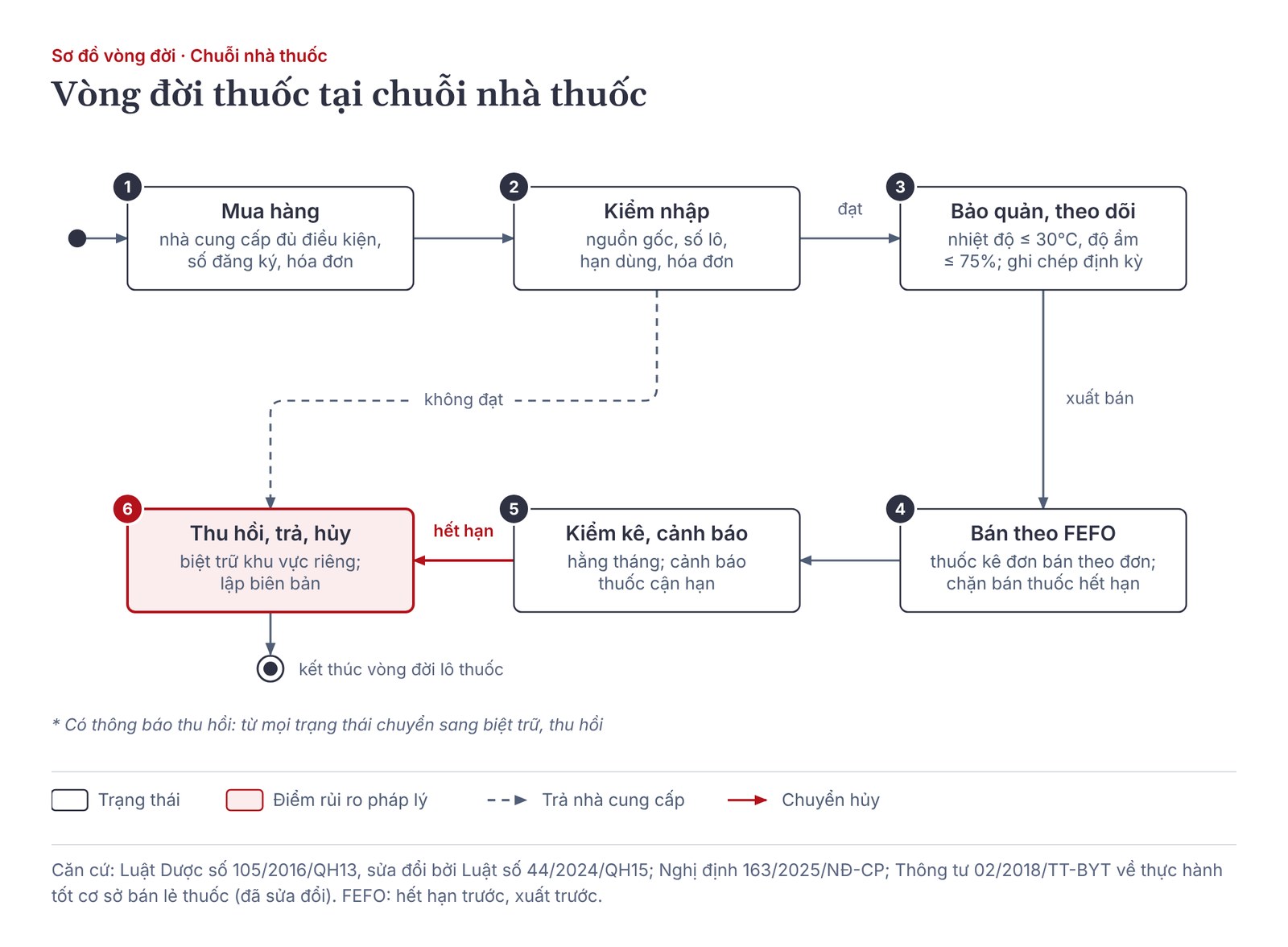
Figure 01. Drug lifecycle in a pharmacy chain
Basis: Pharmacy Law No. 105/2016/QH13 (amended 2024); Decree 163/2025/ND-CP; Circular 02/2018/TT-BYT
Each batch moves from purchasing to sale on a first-expiry-first-out basis. Batches failing receiving checks go back to the supplier (dashed); expired or recalled drugs move to the red box for quarantine, return or destruction with a record.
Pharmacy management software should track batches and expiry dates, apply first-expired-first-out (FEFO), automatically block the sale of expired drugs and flag near-expiry ones. Drug purchase and sale data must be connected and shared as required by the Ministry of Health; prescription drugs must be sold against a prescription with records kept as required; and specially controlled drugs need separate logs and reports.
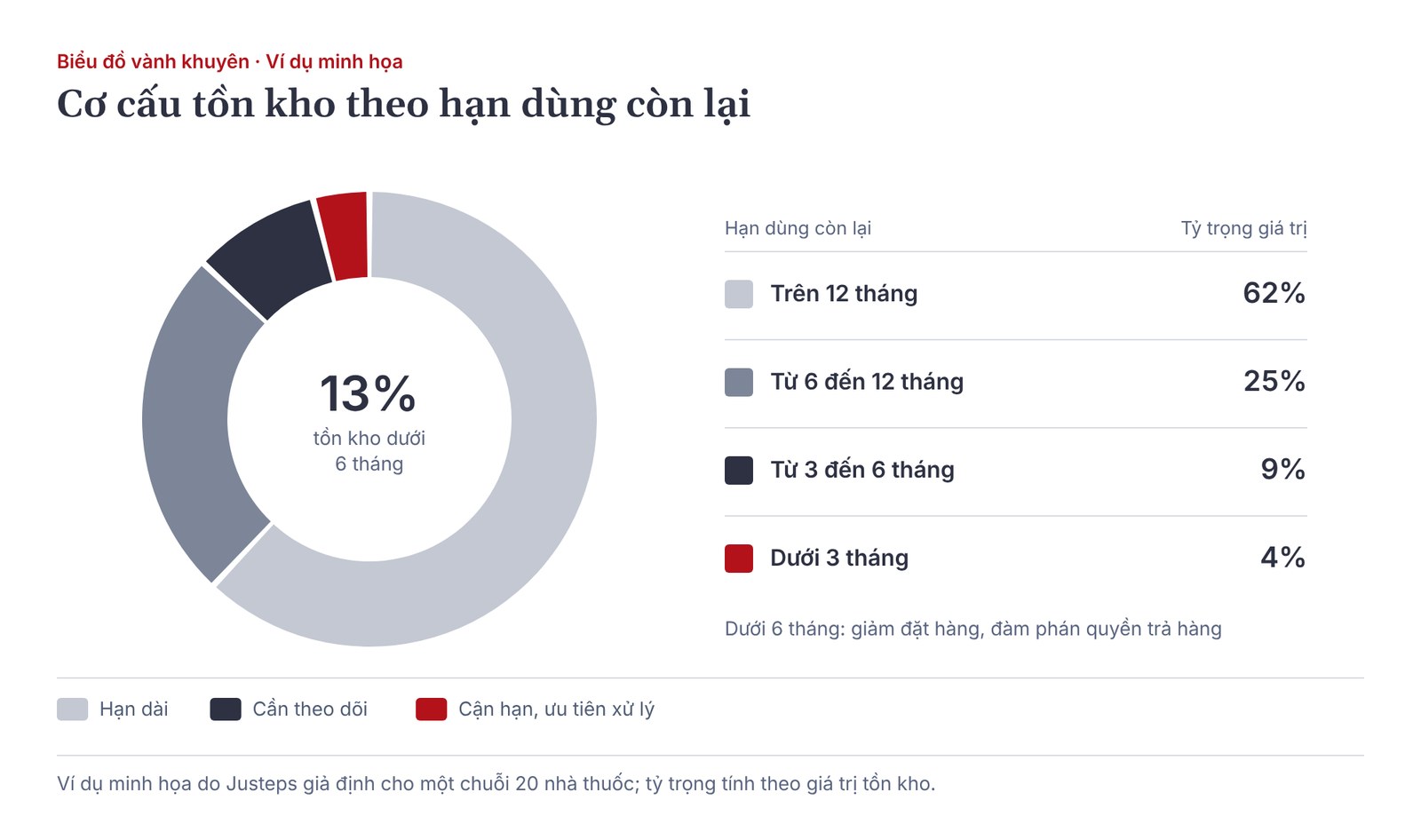
Figure 02. Inventory mix by remaining shelf life
Illustrative example, assumed data
The ring splits the inventory value of a 20-pharmacy chain by remaining shelf life; darker means closer to expiry. The red slice is stock under 3 months; everything under 6 months totals 13%.
When the share of drugs with under 6 months of shelf life grows, purchasing must reduce order quantities and negotiate return rights with suppliers. Transferring drugs between pharmacies in the chain to "save" near-expiry stock should be legally reviewed first, as it involves documentation, drug origin and each retail establishment's scope of operation.
Online drug sales and customer data
If the chain sells via a website, app or e-commerce platform, it must publish its certificate of eligibility for pharmaceutical business, the practising certificate of the person in charge of expertise and drug information as guided by Decree No. 163/2025/ND-CP; only permitted drug categories may be sold this way. Prescription and health condition data are sensitive personal data and require processing procedures under the Law on Personal Data Protection No. 91/2025/QH15.
Legal basis and sources
- Law on Pharmacy No. 105/2016/QH13, as amended by Law No. 44/2024/QH15 (effective from 1 July 2025).
- Decree No. 163/2025/ND-CP detailing certain articles of and measures to implement the Law on Pharmacy, effective from 1 July 2025.
- Circular No. 31/2025/TT-BYT detailing certain articles of the Law on Pharmacy and Decree No. 163/2025/ND-CP, effective from 1 July 2025.
- Circular No. 02/2018/TT-BYT on good practice for drug retail establishments (as amended).
- Law on Personal Data Protection No. 91/2025/QH15, effective from 1 January 2026.
How Justeps supports businesses
- Designing the pharmacy chain's organisational model and delegation between head office, area managers and pharmacies in our Operations setup package.
- Building a shared GPP SOP set, self-inspection checklist and procedure for changing the person in charge of expertise under our Advisory and regulatory compliance services.
- Drafting employment contracts and pay policies for pharmacists linked to compliance indicators in our Governance standardisation services.
- Advising on chain expansion, franchising or acquiring pharmacies with our Business growth team.
Contact Justeps for advice on your pharmacy chain.
Frequently asked questions
Can a pharmacy chain share one certificate of eligibility for pharmaceutical business?
No. Each pharmacy is a retail establishment and must have its own certificate and meet GPP individually.
Can one pharmacist be the person in charge of expertise for several pharmacies in the chain?
The person in charge of expertise is tied to each establishment and must be present as required, so the chain should assign a separate person to each pharmacy and check the Law on Pharmacy before arranging any concurrent role.
How long should a pharmacy keep temperature and humidity records?
Record daily and keep complete records to present at GPP assessments; data-logging devices help avoid gaps.
Can near-expiry drugs be moved to another pharmacy in the chain?
Seek legal review first, as transfers involve documentation, drug origin and each retail establishment's scope of operation. A safer approach is to control ordering and agree return rights with suppliers.
Should pharmacist bonuses be tied to sales?
They can be, but should be combined with GPP compliance and customer complaint criteria to avoid pressure to sell unlawfully.
Related articles
- Self-consumption rooftop solar for factories: documents, notification and operation
- Running a private preschool in Vietnam: HR, child safety and operating records
- Warehousing and logistics contracts: liability for goods and warehouse operating structure
This article is for reference and reflects the regulations in force at the time of publication. Please consult Justeps for advice tailored to your company’s records and situation.
For further information, please contact:
📩 Email: info@justeps.vn
🌐 Website: https://justepslegal.com · https://justeps.vn
🌐 Page: Justeps
☎️ Hotline (Zalo): 096 172 2607
📍 Thanh Xuan Office: 12th Floor, Licogi 13 Tower, 164 Khuat Duy Tien Street, Thanh Xuan Ward, Hanoi, Vietnam
📍 Ha Dong Office: LK06B, No.10, Dong Dua Area, Ha Dong Ward, Hanoi, Vietnam
📍 Ho Chi Minh City Branch: 528 Le Van Sy, Ho Chi Minh City, Vietnam
📍 Hai Phong Office: Truong Thinh Village, Ha Dong Commune, Hai Phong, Vietnam
📍 Quang Ninh Office: Van Don Special Zone, Quang Ninh Province, Vietnam