Sales promotion procedures are often seen as the marketing team's business: come up with an idea, print the rules, run the ads. But when the Department of Industry and Trade inspects, the questions are very specific: has the programme been notified or registered, does the promotional value exceed the cap, how were unclaimed prizes handled, and when was the results report filed.
In 2026 the rules on sales promotion were relaxed further to cut red tape, with Decree No. 239/2026/ND-CP amending Decree No. 81/2018/ND-CP. Fewer procedures do not mean fewer responsibilities; businesses must still prove that their programmes are lawful. This article follows the life cycle of a programme to show who does what at each step.
Legal framework for sales promotion procedures in 2026
The Commercial Law No. 36/2005/QH11 is the core law: Article 92 lists the forms of sales promotion and Article 100 sets out prohibited acts such as promoting goods banned from trading, deceptive promotion or failing to follow the announced rules. Decree No. 81/2018/ND-CP provides the details and has been amended by Decree No. 128/2024/ND-CP and most recently by Decree No. 239/2026/ND-CP, issued on 26/6/2026 and effective from the date of signing.
Under the 2026 amendments, the operational points to note are: loyalty programmes (points, membership cards) no longer need to be notified; the annual cap on total discount days for a brand has been removed; prize draws may be witnessed in person or online; and prizes awarded late due to force majeure are not treated as unclaimed. Non-prescription drugs may be promoted to consumers if specialised laws are followed, while alcohol, tobacco, lottery, breast-milk substitutes and prescription drugs (except between pharmaceutical businesses) still may not be promoted.
Notification and registration, which programmes require procedures
After successive amendments, the scope of programmes that must be notified has narrowed considerably. The notification duty now centres on sales or service programmes with attached lucky-draw tickets whose total prize value is VND 100 million or more and which are not run on e-commerce platforms, websites or online promotion apps. Games of chance with large prizes must be registered and may only proceed after written confirmation; the receiving authority is the provincial Department of Industry and Trade if the programme runs in one province, or the Ministry of Industry and Trade if it runs in two or more.
Because the scope has changed several times, internal procedures should not hard-code "every programme must be notified" or the opposite. A safer approach is for the legal team to check each programme against the current documents and record the conclusion directly on the proposal form.
| Form | Procedure with authorities | Control points |
|---|---|---|
| Discounts | No notification under the 2026 amendments, unless specialised law requires it | Discount not exceeding 50% of the pre-promotion price, except in concentrated promotion periods |
| Free gifts, samples, vouchers | According to the current notification scope | Total promotional value not exceeding 50% of the value of promoted goods |
| Sales with lucky-draw tickets | Notify if total prizes reach VND 100 million and not run online | Ticket template, issuance method, prize deadline |
| Games of chance | Register and await confirmation before running | Customer witnesses; 50% of unclaimed prize value paid to the state budget |
| Loyalty programmes | No notification | Public, transparent points rules |
Value caps and common mistakes
The two caps most often breached are that the total value of goods and services used for promotion may not exceed 50% of the total value of the promoted goods and services, and that the maximum discount is 50% of the selling price immediately before the promotion. In concentrated promotion periods as prescribed, the discount cap is relaxed. The example below illustrates a simple calculation for a product priced at VND 1 million.
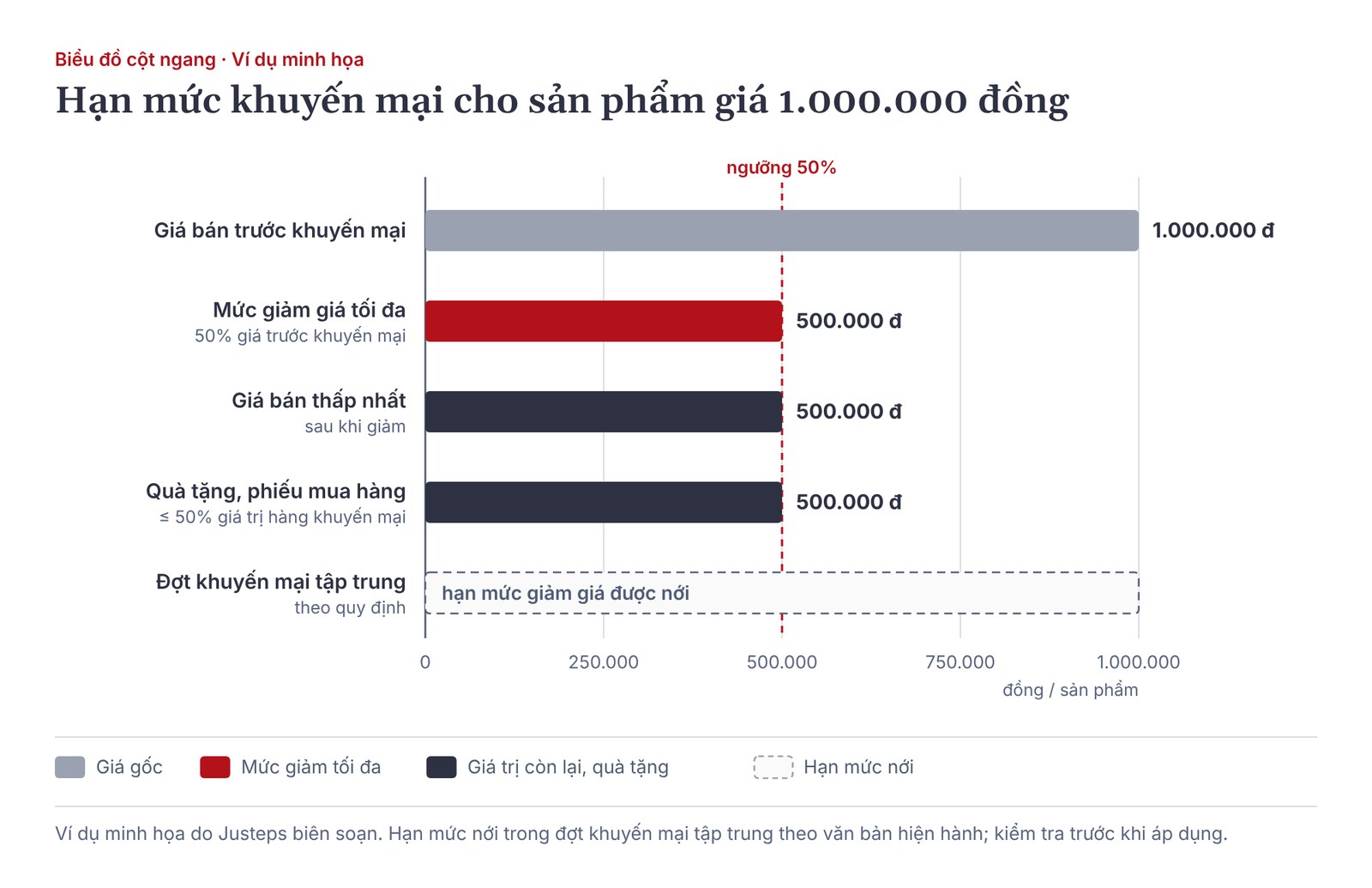
Figure 01. Promotion limits for a product priced at VND 1,000,000
Illustrative example | Limits under Decree 81/2018/ND-CP (as amended)
The red dashed line is the 50% threshold: the discount and gift value may not exceed VND 500,000; the dashed bar shows the limit is relaxed during concentrated promotion periods.
Other common operational mistakes include raising the "pre-promotion" price just before a sale so the discount looks larger; rules on posters differing from rules on the website; stores extending the programme on their own; and free gifts that are not yet permitted for circulation. Each of these may be treated as deceptive promotion or failure to follow the announced rules under Article 100 of the Commercial Law.
Internal procedure for a sales promotion programme
A programme should go through six steps with clear owners. Marketing prepares a proposal covering the form, timing, area, goods, budget and draft rules. Legal reviews the list of goods that may not be promoted, the caps and the procedures, and records its conclusion on the form. The responsible unit files the notification or registration and keeps the receipt.
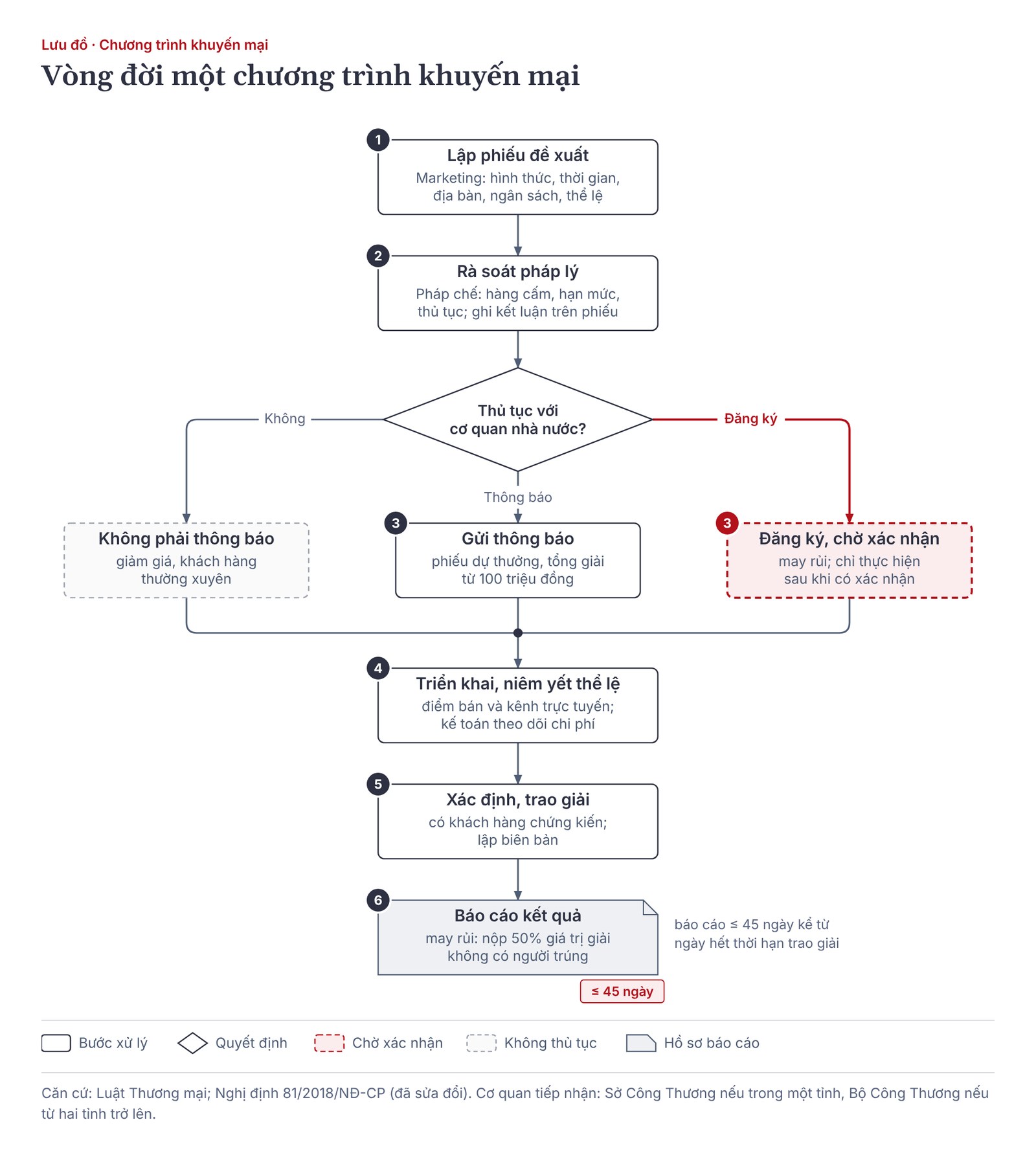
Figure 02. Lifecycle of a sales promotion programme
Basis: Commercial Law No. 36/2005/QH11; Decree 81/2018/ND-CP (as amended)
After legal review the programme takes one of three filing routes, which merge again at roll-out. The red dashed box is a lucky-draw programme: it may start only after written confirmation and results are reported within 45 days.
During roll-out, the rules must be displayed at points of sale and on online channels, and store staff should be briefed on how to answer customers. Accounting tracks promotion costs separately and keeps invoices and lists of customers receiving gifts, which also serve tax finalisation. For games of chance, winners must be determined with customers witnessing, in person or online, and minutes must be drawn up.
Results reports and handling unclaimed prizes
For registered games of chance, the business reports results to the confirming authority within 45 days from the end of the prize-awarding period. The report states the number and value of prizes awarded, the list of winners and the unclaimed prizes. The business must pay 50% of the announced value of unclaimed prizes to the state budget; accounting should plan for this from the start.
Records to keep after a programme include the proposal form with legal comments, the notification or confirmation letter, all versions of the rules, photos of displays, minutes of the draw, prize hand-over minutes, the results report and budget payment vouchers. This file is the basis for responding to customer complaints or inspections by market surveillance authorities.
Legal basis and sources
- Commercial Law No. 36/2005/QH11, Articles 92 and 100.
- Decree No. 81/2018/ND-CP detailing the Commercial Law on trade promotion activities.
- Decree No. 128/2024/ND-CP amending and supplementing Decree No. 81/2018/ND-CP.
- Decree No. 239/2026/ND-CP dated 26/6/2026 amending and supplementing a number of articles of Decree No. 81/2018/ND-CP, effective from the date of signing.
- Law on Consumer Rights Protection No. 19/2023/QH15.
How Justeps supports businesses
- Advisory and regulatory compliance: building an approval procedure for sales promotion programmes.
- Operations set-up for retail chains: proposal templates, rules, record files.
- Ongoing legal advice, reviewing rules and procedures before each programme.
- Preparing registration files for games of chance, results reports and handling unclaimed prizes.
- In-house training on sales promotion for marketing and store teams.
Contact Justeps for advice on your specific situation.
Frequently asked questions
Do membership points programmes need to be notified?
Under the amendments in Decree No. 239/2026/ND-CP, programmes for regular customers based on purchase quantity or value no longer need to be notified. The rules must still be public and followed.
Do promotions on e-commerce platforms need to be notified?
Sales with lucky-draw tickets run on platforms, websites or online promotion apps fall outside the notification group under the 2026 amendments. Businesses must still comply with caps and rules.
Can a discount exceed 50%?
Only in concentrated promotion periods as prescribed or where a document permits it. Otherwise, the maximum discount is 50% of the price immediately before the promotion.
How are unclaimed prizes handled?
For games of chance, the business pays 50% of the announced prize value to the state budget. Prizes awarded late due to force majeure are not treated as unclaimed.
Who in the business should approve a sales promotion?
Use tiered approval: the marketing head proposes, legal comments, and the director or authorised person approves according to budget. Stores should not run their own programmes.
Related articles
- Real estate brokerage services in Vietnam: conditions, brokerage contracts and broker control
- Self-consumption rooftop solar for factories: documents, notification and operation
- Anti-money laundering in real estate business: customer due diligence and reporting duties
This article is for reference and reflects the regulations in force at the time of publication. Please consult Justeps for advice tailored to your company’s records and situation.
For further information, please contact:
📩 Email: info@justeps.vn
🌐 Website: https://justepslegal.com · https://justeps.vn
🌐 Page: Justeps
☎️ Hotline (Zalo): 096 172 2607
📍 Thanh Xuan Office: 12th Floor, Licogi 13 Tower, 164 Khuat Duy Tien Street, Thanh Xuan Ward, Hanoi, Vietnam
📍 Ha Dong Office: LK06B, No.10, Dong Dua Area, Ha Dong Ward, Hanoi, Vietnam
📍 Ho Chi Minh City Branch: 528 Le Van Sy, Ho Chi Minh City, Vietnam
📍 Hai Phong Office: Truong Thinh Village, Ha Dong Commune, Hai Phong, Vietnam
📍 Quang Ninh Office: Van Don Special Zone, Quang Ninh Province, Vietnam